



PENNZOIL – Halloween decorations are near, the days are becoming shorter and temperatures are beginning to get cooler; fall is here and it’s time to think about how to prepare your vehicle ahead of the winter months. Fortunately, October is Fall Car Care Month and Pennzoil has five useful maintenance tips to have you feeling confident in your vehicle for the months ahead.
1. Change of season = Change your motor oil – The only situation worse than an unexpected breakdown while driving is an unexpected breakdown when it’s cold outside. Now more than ever, it’s important to make sure your vehicle is running properly in time for the upcoming holiday travel. To ensure your vehicle’s engine is ready for your next trip, contact your nearest local oil change center that offers Pennzoil to schedule your next visit.
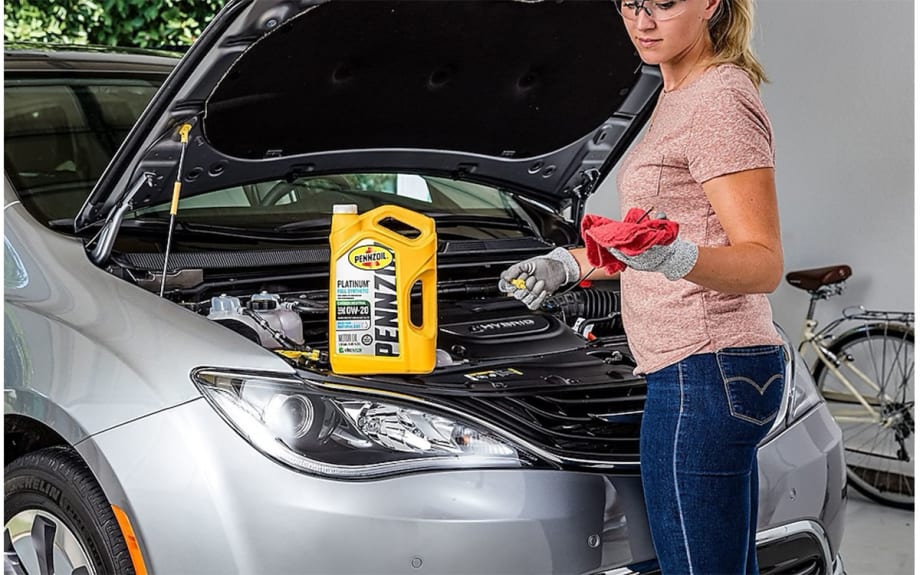
With cooler temperatures, using a full synthetic motor oil to protect against the cold is recommended. Switching to a low-viscosity motor oil (0W) like Pennzoil Platinum Full Synthetic motor oil will protect your engine during cold start-ups by providing faster low temperature oil flow. Many motorists believe they need to wait for their engine to warm up on colder days before driving; however, with a full synthetic motor oil, only a short time after start-up, your engine will be properly lubricated, ready for the journey ahead!
2. Check your windshield wipers and de-icer fluid levels – Fall is the perfect time to inspect your windshield wipers and test out your vehicle’s defroster to ensure they are working properly before the winter, especially after limited use in the summer. A proper-functioning defroster removes any fog or ice that can hinder your vision of the road and your surroundings on colder days.
Windshield wipers are critical for clear vision of the road ahead or for any snowfall – from flurries to blizzards. When checking your wiper blades, turn them on along with the windshield washers to determine if they produce a streak-free sweep, leaving the windshield clear. If you live in a colder region, you may want to change your washer fluid to a winter blend that is designed to resist freezing temperatures.
3. Shine a light on those darker days - check your headlights and safety markers – With the winter solstice slowly approaching and the daylight fading faster, it is important to make sure your vehicle’s exterior lights are in proper working order to prepare for more frequent driving in the dark. Headlights are important, but don’t forget about your emergency hazard lights, turn signals, taillights, and reverse lights!
If you find that one of your lights is not functioning optimally or has a burned-out bulb, you can reference your vehicle’s owner’s manual for replacement instructions. If you prefer, you can always visit your local mechanic and have your hardware installed professionally.
4. Check your battery – In extreme temperatures such as the cold, your vehicle’s battery can begin to wear down and lose substantial power, affecting optimal performance. Motor vehicle batteries typically last between four to five years, but sometimes even less, depending on your driving conditions and the environment your vehicle is in. A few common signs of a failing battery can be slower than normal start-ups, dimming headlights as you start your car, illuminated lights on your dashboard or even a rotten egg smell coming from the battery location.
5. Safety first while on the road - update or put together an emergency kit – In the event you must pull off to the side of the road, having a roadside safety and emergency kit is key. Within your kit should be a few essential items, including, but not limited to, a flashlight, roadside flares, first-aid supplies, a spare phone charger, a blanket, water, and non-perishable snacks. If you drive a vehicle that has known motor oil leaks, you may want to keep a quart of motor oil in your vehicle for emergency top-off situations.